


 Back
Back


Cultural Resources: Archaeology
Archaeology, or archeology, is the study of past human societies, primarily through the recovery and analysis of the material, culture and environmental data they have left behind. This includes artifacts, architecture, biofacts and cultural landscapes.
Archaeology studies human history from the development of the first stone tools 2.5 million years ago up to recent decades. It is of particular help in learning about prehistoric societies where there are no written records for historians to study.
Archaeology involves surveyance, excavation and analysis of data collected in order to learn more about the past. Through archaeology it is possible to gain an understanding of Prince William County’s rich historical legacy and the important role it holds in our country's past.
Prince William County has a permanent archaeologist on staff who helps the County meet its Cultural Resource Management needs. The County Archaeologist assists with identifying, protecting and managing the County’s cultural resources and also works to enhance awareness of the County’s history and the importance of preserving the County’s prehistoric and historic archaeological sites, and architectural sites that are linked to the County’s, Virginia’s and the nation’s history.
For further information about archaeology in Prince William County contact the Planning Office at (703) 792-7615 (TTY: 711) or e-mail [email protected]
Projects and Studies
Expand all- Bristoe Station and Kettle Run Battlefields Preservation Study
Bristoe Station and Kettle Run Battlefields Preservation Study
The purpose of the study was to document both the Bristoe Station and Kettle Run Battlefields and recommend preservation goals and strategies. Prince William County was awarded a grant through the American Battlefield Protection Program, a division of the National Park Service (NPS), to complete this study. Both battlefields are located near the intersection of Bristow Road and the Norfolk Southern Railway tracks.
The Battle of Kettle Run occurred on August 27, 1862, as part of the Confederate Army's Northern Virginia Campaign (June - September 1862). General Ewell's Division prevailed in a brisk rearguard action against General Hooker's Division. The successful Confederate action at Kettle Run allowed General Jackson to maximize his capture of the Union's supplies at Manassas Junction.
The Battle of Bristoe Station occurred on October 14, 1863. The battle was a result of the Confederate Army leaving their camps south of the Rappahannock River and initiating a flanking maneuver to the north. Their plan was to circle behind the Union Army, prevent them from reaching fortification in Centreville, and defeat them in open fields. The battle ensued when General A.P. Hill's corps stumbled upon elements of the Union Army which were marching near the Orange & Alexandria Railroad embankments. The Union forces successfully fought off Heth's division and captured a battery of artillery. Union forces continued their planned withdrawal to Centreville unmolested. Because of the battle, General Lee's Bristoe offensive sputtered to a premature halt.
In October 2016, Commonwealth Heritage Group completed the Bristoe Station and Kettle Run Battlefields Preservation Study.
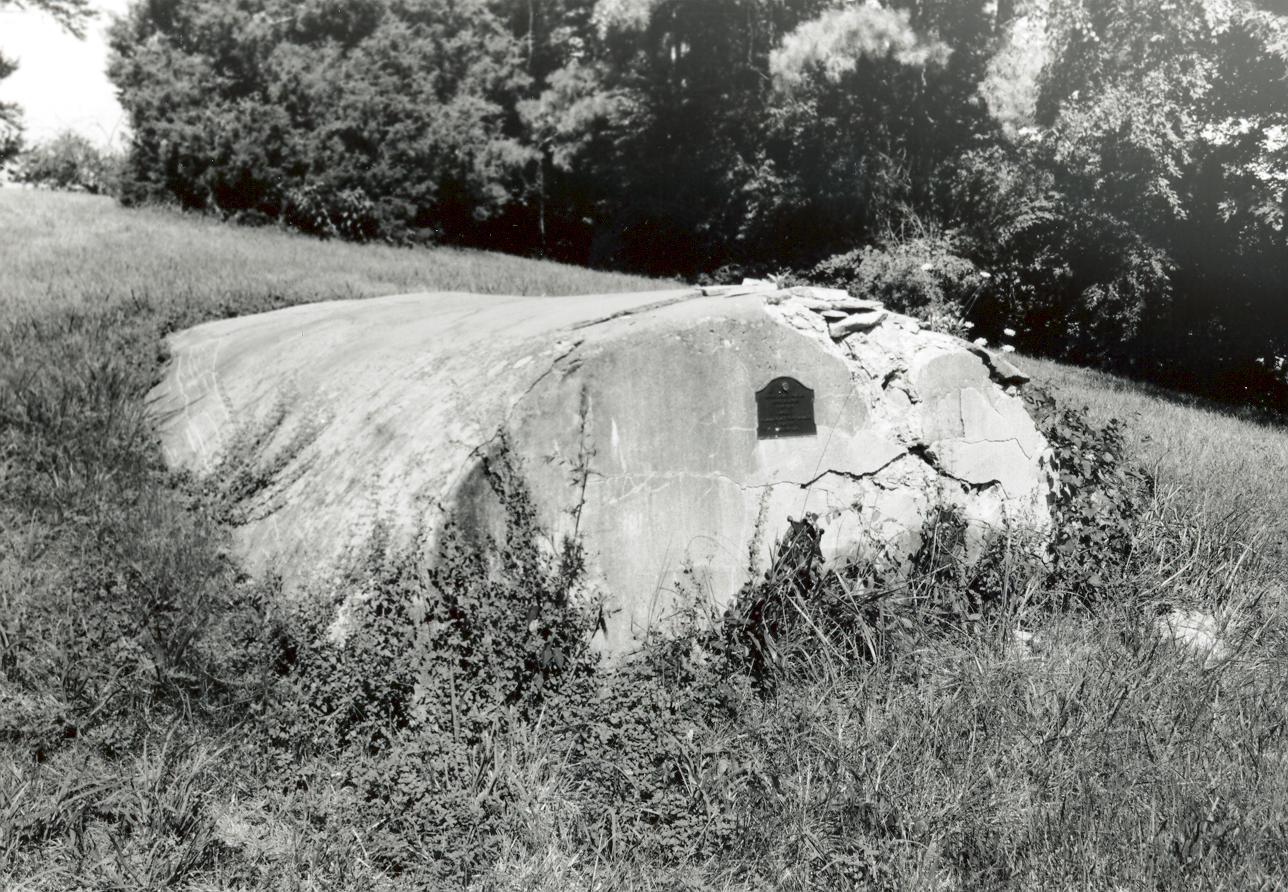
- Grayson Family Tomb Stabilization ProjectImage
 Image
Image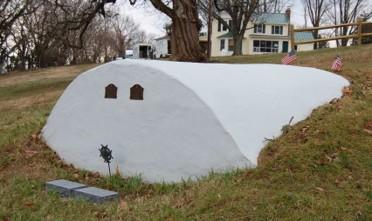
In 2013, Prince William County was requested to investigate restoration of the Grayson Family Tomb. Working with many interested groups, a plan was developed to stabilize the Tomb, including the Good Shepherd Housing Foundation, who owns the Tomb. Archival and archaeological research was completed in 2014. Stabilization immediately followed and the Tomb was rededicated on September 20, 2014. The story of this stabilization project is now available.
Grayson Family Tomb Stabilization Project (PDF)
- Cockpit Point Battlefield Study
Cockpit Point Battlefield Study Final Report
Cockpit Point Battlefield Management Plan
Image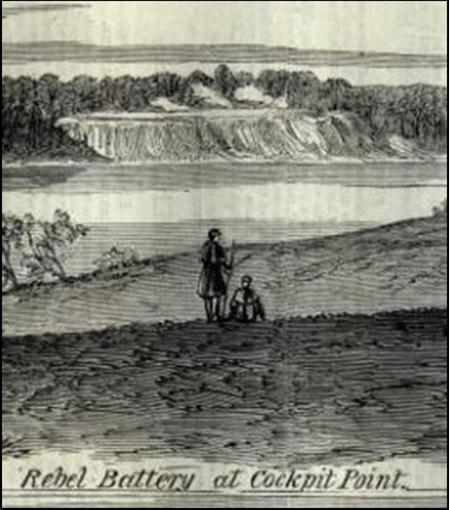 Image
Image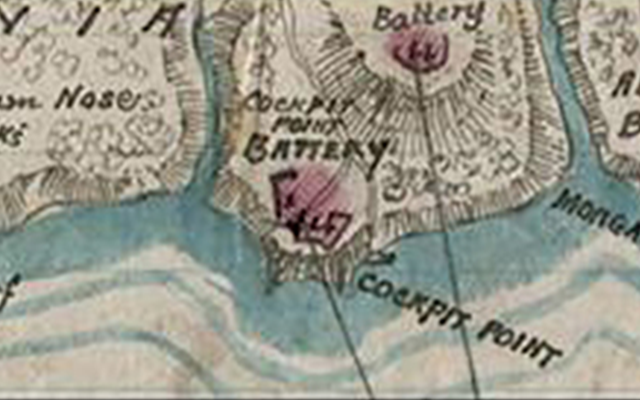
Cockpit Point is the only naval battlefield within the Prince William County and is one of four Potomac River blockade batteries built by the Confederate Army to interdict Union vessels. Cockpit Point is the only remaining strong battery and consisted of four gun batteries and associated defensive earthworks located at the top of a 70-foot cliff overlooking the Potomac River. The earthworks which formed these four massive batteries and their connecting trenches are readily apparent. From October 1861 to March 1862 the battery succeeded in diverting almost all shipping on the Potomac River heading to Washington, D.C.
Today, Cockpit Point is the sole remaining Potomac River battery. Significant data on the Cockpit Point Battlefield is absent, including detailed mapping of the earthworks, the results of military terrain analysis, and historic viewshed identification and documentation.
Study Purpose
The purpose of the Cockpit Point Battlefield Study was to complete baseline documentation of the Cockpit Point Battlefield, located in eastern Prince William County. A grant awarded by the National Park Service American Battlefield Protection Program to continue identification and documentation studies centered on the Cockpit Point Battery which was one of several Confederate blockade batteries on the Potomac River.
The data from the study was used to prepare, 1) Preservation and management goals and action strategies; 2) Analysis and threat mitigation, and; 3) Data for nomination to the National Register of Historic Places.
The final study and management plan are in the process of incorporation into the Cockpit Point Battlefield Study into the 2040 Comprehensive Plan. Prince William County contracted URS Corporation to conduct the study.
Questions or Comments?
- Email: [email protected]
- Submit the Planning Comment Form
Please note that under the Virginia Freedom of Information Act, comments, including any personally identifiable information that is included in the comments, are subject to public inspection.
To receive automatic updates about general county government information, including Planning Office notifications, road closures, tax reminders, and other community information subscribe to PWC Alerts.