


 Back
Back


Domestic Violence, Sexual Assault, and Stalking
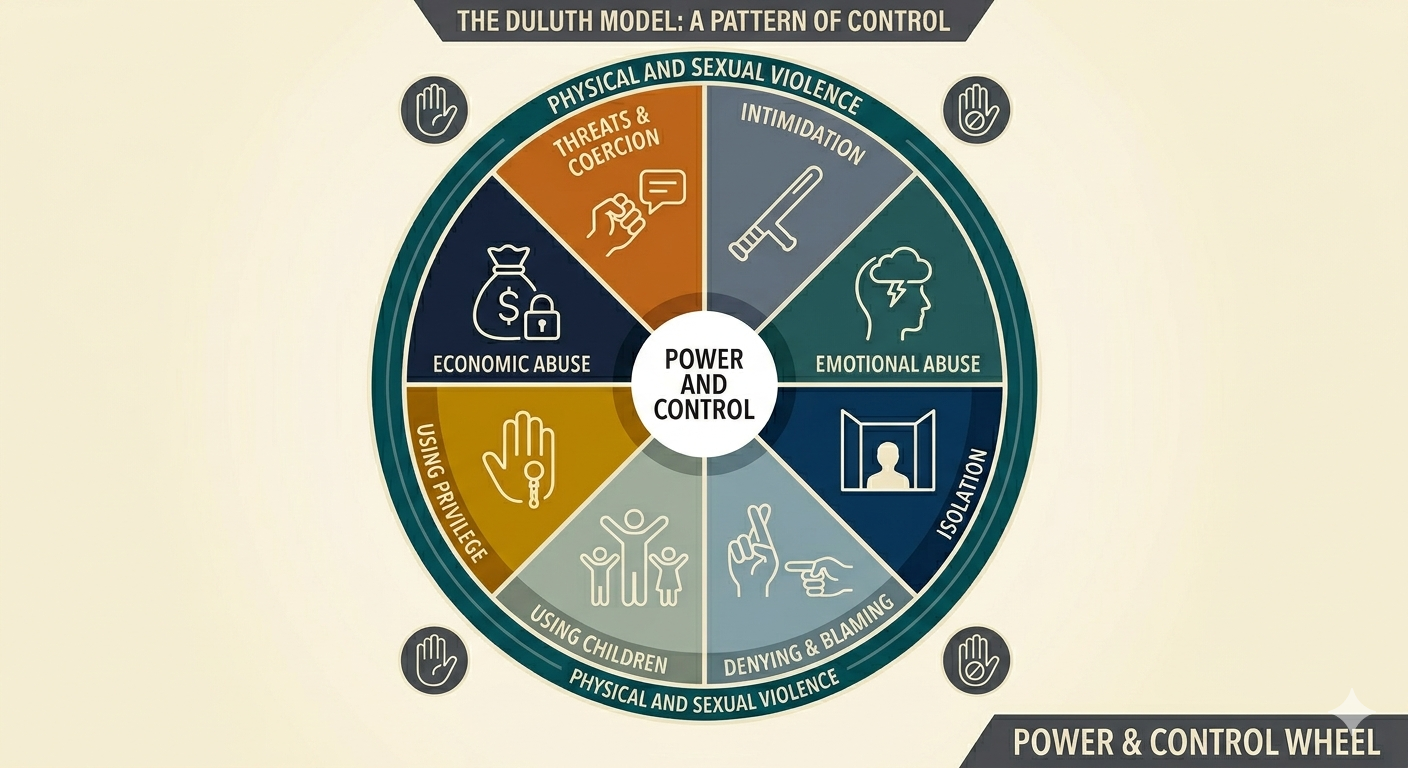
Domestic violence, sexual assault, and stalking are serious crimes that affect individuals, families, and the broader community. These offenses often involve patterns of power and control and can result in long-term physical, emotional, and economic harm.
The Office of Community Safety (OCS) believes effective response requires prevention, early identification, coordinated intervention, and a strong network of person-centered and trauma informed services. This cannot be done by one organization alone, so OCS works to support a network of connected agencies, projects, and local initiatives to better serve those seeking help or support in our community.
What Is Domestic Violence?
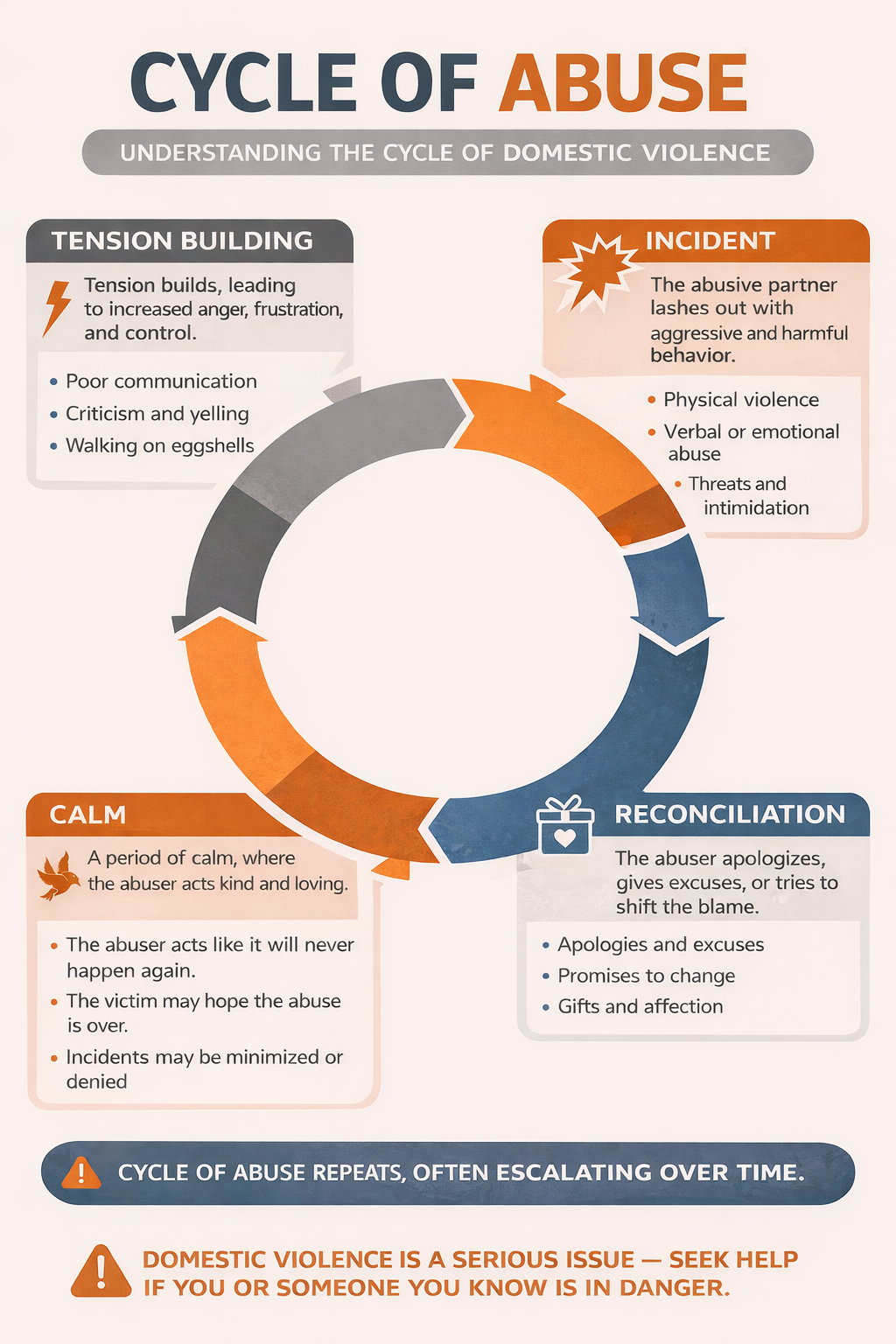
Domestic violence is a pattern of abusive behavior used by one person to gain or maintain power and control over an intimate partner or household member. It can include physical violence, threats, intimidation, emotional or psychological abuse, financial control, isolation, and coercion. Domestic violence can occur in current or former dating relationships, marriages, cohabitating partnerships, or among family members, such as parents and their children. It is important to remember that domestic violence is often not physical, and it is very difficult to escape the situation for a variety of reasons.
 What Is Sexual Assault?
Sexual assault is a broad range of offenses but is ultimately any sexual act or contact that occurs without consent, or to a child or vulnerable adult unable to provide informed consent. Sexual assault and violence include a wide variety of behaviors up to and including rape and attempted rape. However, sometimes it may be less obvious. It could occur in the form of unwanted sexual touching above or under the clothing and/or sexual coercion such as pressuring or making an individual feel like they must engage in a sexual act. Sexual exploitation is another form of abuse that may take many forms. Examples include taking pictures of and/or sharing sensitive images without consent or threatening to do so in exchange for something. Consent must be freely given, informed, and voluntary—and it can be withdrawn at any time. Sexual assault can be committed by anyone and can be a very traumatic experience, so it is important to ensure you are able to safely discuss any concerns you may have with a trusted individual.
What Is Stalking?
Stalking is a complex pattern of repeated, unwanted attention or contact that causes fear for a person’s safety or the safety of others. It often escalates over time and frequently occurs after an intimate relationship has ended, though it can also involve strangers, co-workers, neighbors or other acquaintances. Common stalking behaviors include:
-
Following: Following or having someone else follow you.
-
Monitoring: Using technology to track your location, social activities, or gathering information without consent.
-
Intimidation: The stalker might send direct or indirect communication via symbols or messages online and/or in person that imply some kind of knowledge, threat or consequence.
-
Unwanted Contact: Repeated calls, messages, social media activity, or showing up uninvited.
-
Gifts: Receiving unwanted gifts or items. The items gifted may also imply a threat.
This experience can be traumatic and isolating, often making those affected feel as though they have no control or that the stalker is able to evade accountability. If you are experiencing this, reaching out to a trusted source for help is highly encouraged
Community-based interventions
The Office of Community Safety (OCS) leads and supports Prince William County’s coordinated response to these crimes through regional partnerships, fatality review, data collection, and systems coordination.
Greater Prince William Sexual and Domestic Violence Council
The Greater Prince William Sexual and Domestic Violence Council serves Greater Prince William County, including the Manassas and Manassas Park. The Council is a multidisciplinary partnership that brings together law enforcement, prosecutors, victim advocacy organizations, healthcare providers, schools, social services, community-based organizations, and other local and state partners.
The Council functions as a strategic planning and coordination body focused on strengthening prevention and improving the system response to domestic violence, sexual assault, and stalking. Members collaborate to enhance policies and procedures, identify service gaps, share data and best practices, and promote trauma-informed, culturally responsive approaches that prioritize victim safety and offender accountability.
Domestic Violence Fatality Review Team (DVFRT)
The Office of Community Safety also leads the Greater Prince William Domestic Violence Fatality Review Team (DVFRT). The DVFRT is a multidisciplinary team that conducts in-depth reviews of domestic violence-related fatalities and near-fatalities to better understand system interactions, identify missed opportunities for intervention, and recommend improvements.
The purpose of the DVFRT is not to assign blame, but to strengthen community prevention and response efforts. Through confidential case review, data analysis, and formal recommendations, the team works to improve policies, enhance cross-agency coordination, and reduce the risk of future domestic violence homicides in the region.
Get Help & Resources
If you or someone you know needs help:
-
911 for emergencies
-
National Domestic Violence Hotline (1-800-799-7233 or thehotline.org)
-
National Sexual Assault Hotline (RAINN) (800-656-HOPE or rainn.org)
Local Resources:
-
ACTS Domestic Violence Hotline: (703) 221-4951
-
ACTS Sexual Assault Services: 703-497-1192
-
Prince William Child Advocacy Center: (703) 330-8145
-
Victim Witness: (703) 792-8220
To learn more about programs, find resources, request training, or community education, please email the Office of Community Safety at [email protected].