


Free Fall Paper Shred
Location, Time and GuidelinesDumpster Days/Community Cleanup Schedule
Date, Time and LocationAmerica Recycles Month Q&A
Locations and TimeRecycling Pays! Take the Pledge
"I Recycle "Proof of Residency Information
Requirement DetailsPrince William County Landfill & Compost Facility are now open on Sundays 7 a.m.–4 p.m., Thursdays 7 a.m.–6 p.m., all other days 7 a.m.–4 p.m. HHW/Electronics Recycling program at the Landfill is open Wednesdays and Saturdays, 8 a.m. to 4 p.m.
New Hours In Effect!

Free Fall Paper Shred Location, Time and Guidelines
Dumpster Days/Community Cleanup ScheduleDate, Time and Location
America Recycles Month Q&A Locations and Time
Recycling Pays! Take the Pledge"I Recycle "
Proof of Residency InformationRequirement Details
Prince William County Landfill & Compost Facility are now open on Sundays 7 a.m.–4 p.m., Thursdays 7 a.m.–6 p.m., all other days 7 a.m.–4 p.m. HHW/Electronics Recycling program at the Landfill is open Wednesdays and Saturdays, 8 a.m. to 4 p.m.New Hours In Effect!
Battery Day of Celebration, Dangers and Disposal
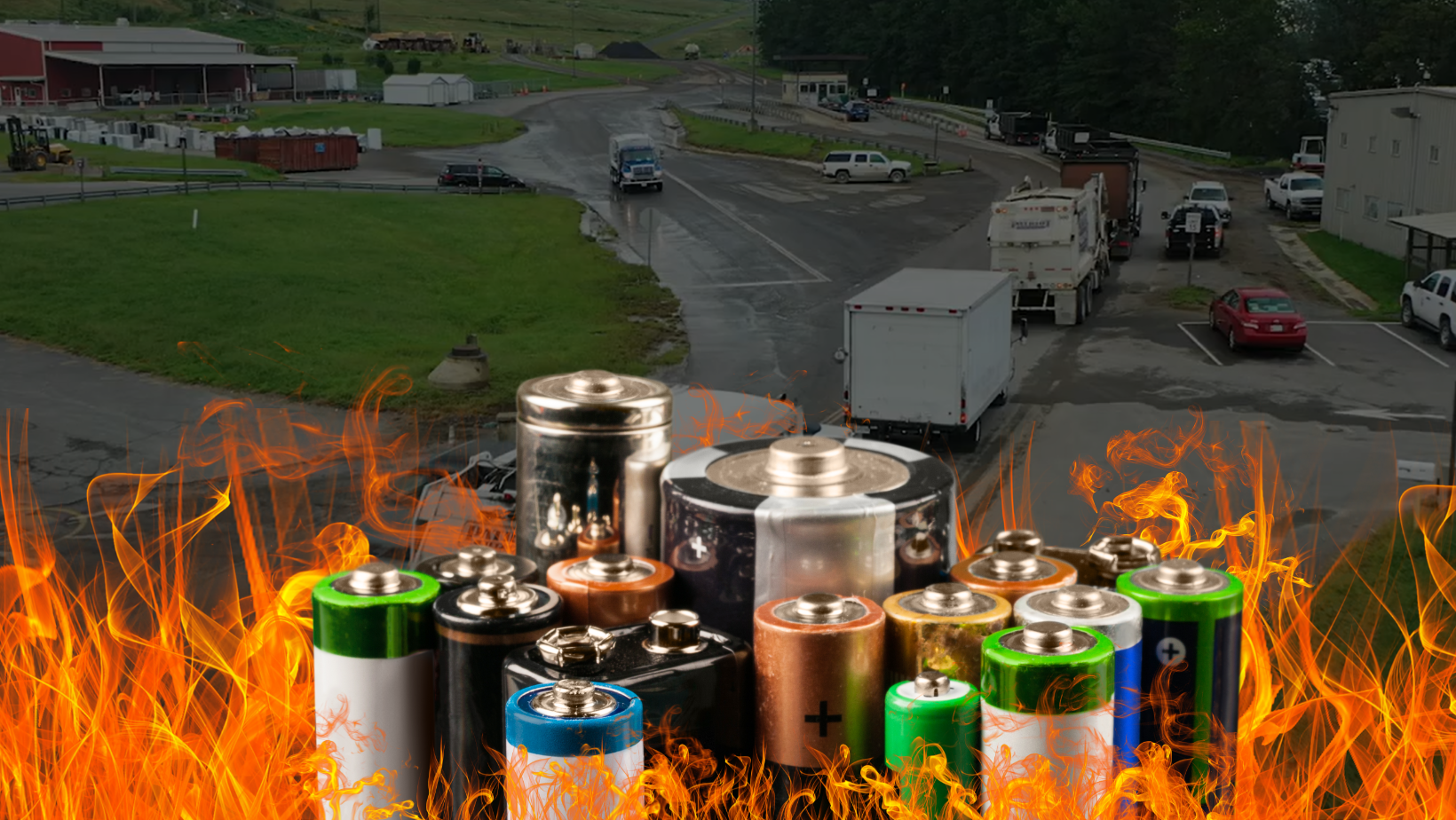
February 18 is “National” Battery Day. For most people, every day is a battery day. Batteries are a critical part of powering our everyday life. From basic battery-operated devices like flashlights, radios, clocks, watches, television remotes and toys to more complex devices like automotive vehicles, mobile phones, laptop computers, tablets and handheld game devices as well as life saving devices like Automated External Defibrillators (AEDs) carbon monoxide detectors and smoke detectors. Batteries power them all.
February 18 – Battery Day is a day to stop and recognize the power and opportunity batteries provide to disengage and connect, to unplug and tune in. It is a time to recognize this special energy source, which powers the things that make our life more convenient and safer.
Battery Dangers
However, because of the ubiquitous nature of these power packs, we may become complacent and ignore the dangers they pose. When handled or disposed of improperly, they can be dangerous to humans and harmful to the environment.
 Batteries are made from a variety of different chemicals and metals including alkaline, silver-oxide, nickel, metal-hydride, lead-acid, nickel-cadmium, lithium-ion, and zinc-carbon. When thrown in the regular trash, batteries decay in landfill sites and could leak into the groundwater, which may pollute soil and water in a community. They may also cause fire during transport or at the processing facility.
Battery Preparation and Disposal
 Proper battery disposal not only prevents pollution, but it also conserves landfill space and saves metals and minerals that can be recycled and used in new products. Proper preparation of batteries for recycling is also essential to prevent fires while in transit. Batteries rubbing together create the risk of sparks and fire. This puts waste management employees and property in danger. Simply place masking tape over the positive terminal of each battery or return it to the original packaging for safe in-home storage and transport. This precaution reduces the chance of fire during transport and at the processing facility. Also, use a plastic pail or cardboard box rather than a metal can for at home storage
 Prince William County residents may bring batteries to the Landfill or Compost Facility (pictured) during normal operating hours for proper disposal and recycling. Residents may also bring their electronic items like televisions, laptops and mobile phones to the Landfill on Wednesdays and Saturdays to the Household Hazardous Waste and Electronics Recycling Program from 8 a.m. to 4 p.m.
In addition to the two county facilities, several retail outlets also make battery recycling convenient for many types of batteries. Home Depot, Lowe’s, Best Buy, Staples, or battery specialty stores like Batteries Plus and Interstate Battery all have battery-recycling programs. Earth 911 and Call2Recycle are great online resources for battery recycling drop-off locations, and battery recycling mail-in program options.
So, as you spring forward to Day Light Savings Time on March 8, and change the batteries in your smoke detectors, and other safety devices, don’t forget to properly dispose of the batteries for recycling and safety.
For more information on how to recycle and properly dispose of more than 300 items in Prince William County use the A-to-Z Disposal Guide www.pwcva.gov/disposalguide
Latest Press Releases


