


Visiting Family & Friends for the Holidays - Ensure the Home Is Childproofed
When preparing for the holidays, the anticipation of spending time with family and friends tends to make the season more delightful, but visiting homes that may not be childproofed can put your child in danger. The misconception that parents believe they can watch their children closely, even if the house is not childproofed, is hard to do when there are numerous people of all ages and various activities taking place throughout the home. Parents and guardians should be mindful of their child’s safety when visiting someone’s home, for the leading cause of death among children is accidents.
Most parents understand the importance of childproofing their home, such as placing gates across the top and bottom of the stairs, installing smoke and carbon monoxide detectors, and keeping household poisons out of the reach of children. These are standard practices in most homes with small children. However, there are seasonal risks, such as holiday decorations, games, food, and beverages, that younger children can become harmed if the home has not been properly childproofed before the festivities begin and reevaluated during and after the festivities.
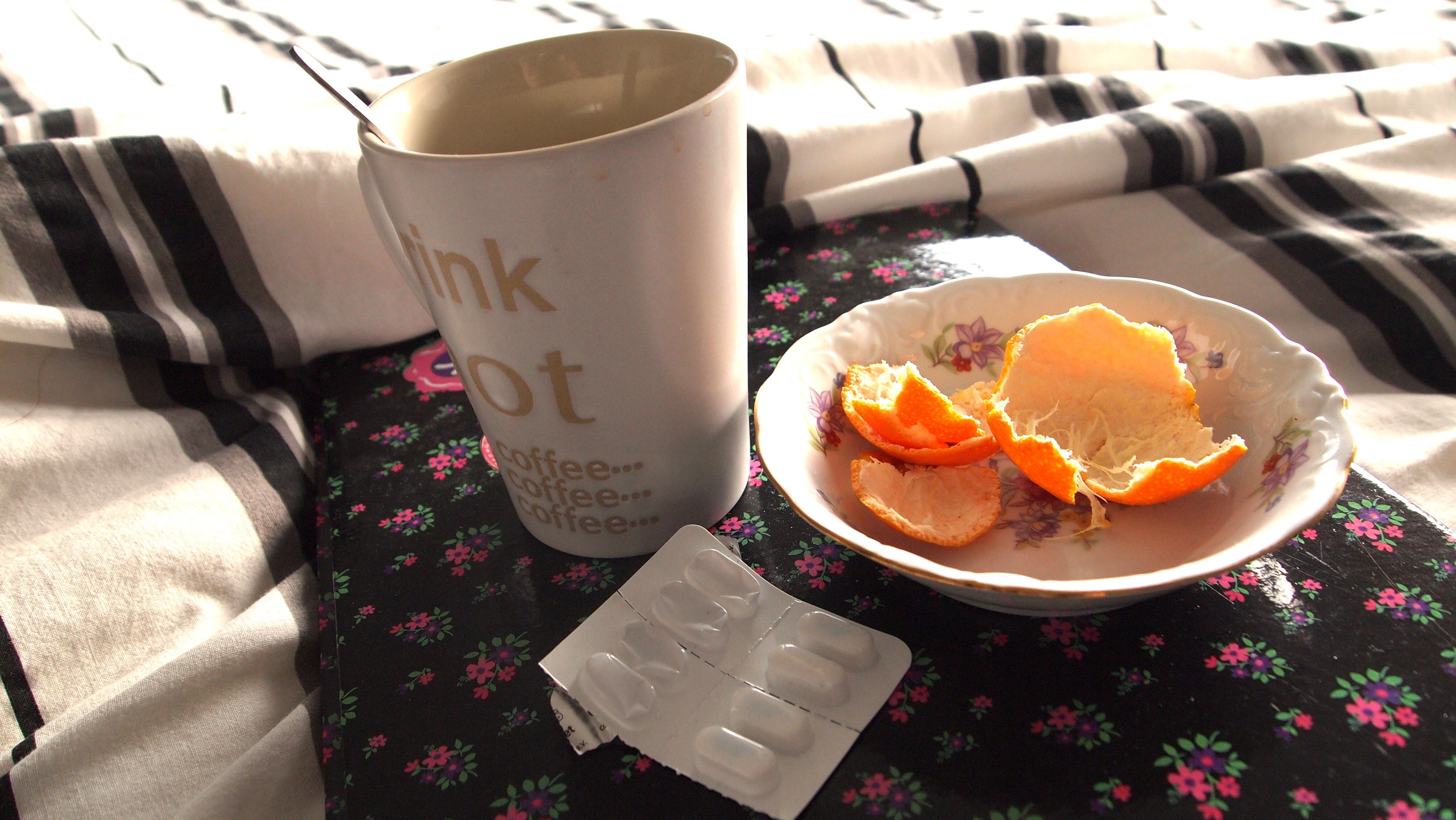
Most likely, you will find a home that has not been childproofed when visiting individuals who have never had children or parents/grandparents who no longer have young children residing in the home. In addition to not having general childproofing safety measures such as locks on cabinets, or covers on electrical outlets, these individuals may have prescription medications lying about that are not in child-resistant containers. Medications often attract young children due to the variety of colors resembling candy. Therefore, as a parent/guardian you should remain vigilant and request the homeowner(s) keep their medications stored in places that are not easily accessible to children. As a precautionary measure, learn the poison control number (1-800-222-1222) and keep it posted by the phone or listed in your phone contacts in case of an emergency.
Listed below are a few things you should be especially watchful of and/or want to ask about prior to visiting someone’s home:
-
Do they have a pool? Does it have a fence with a self-closing, self-latching gate? Can the children get to the area where the pool is located?
- Are there weapons in the house? Are they stored unloaded in a locked box with the bullets locked separately?
- Are there small objects, such as hard candy or nuts in candy dishes, where younger children can get them?
- Are there gates across the top and bottom of the stairs?
- Are medications, poisons, and household cleaners out of reach?
- Do they have an aggressive pet that may harm children?
- If your child has food allergies, will they be serving that specific food?
- Do they smoke? Are matches and lighters out of the reach of children, preferably up high and in a locked cabinet?
- Do they reside in a multi-level home or high-rise apartment? Are there window guards or window stop devices that prevent windows from opening more than 4 inches? Is there a porch or balcony with railings widely spaced apart (more than 4”)?
Toy Safety
- IMMEDIATELY discard plastic wrappings from toys.
- Check toys regularly for small parts, breakage, and potential hazards, including chipped or peeling paint. Damaged or dangerous toys should be repaired or thrown away.
- Teach older children to keep their toys away from younger children.
- Keep button batteries away from younger children.
-
- A child can swallow a button battery and suffer dangerous chemical burns in as little as two hours. DO NOT leave products with accessible button batteries within reach of children.
-
“Holidays are fun times to share with family and friends, creating memories that last for generations,” states Prince William County Fire & Rescue System Chief Tom LaBelle. “Take the necessary precautions to keep your loved ones safe during the holiday season and throughout the year.”
For more information on child safety tips for the home, visit 12 Safety Tips for Holiday Decorations - HealthyChildren.org and Home safety tips | Children's Hospital of Richmond at VCU
For toy safety, education, and guides, visit the Consumer Product Safety Commission at https://cpsc-d8-media-prod.s3.amazonaws.com/s3fs-public/281%281%29.pdf.
Latest Press Releases


