


 Back
Back


Green Infrastructure

Guidelines and Proposed Standards
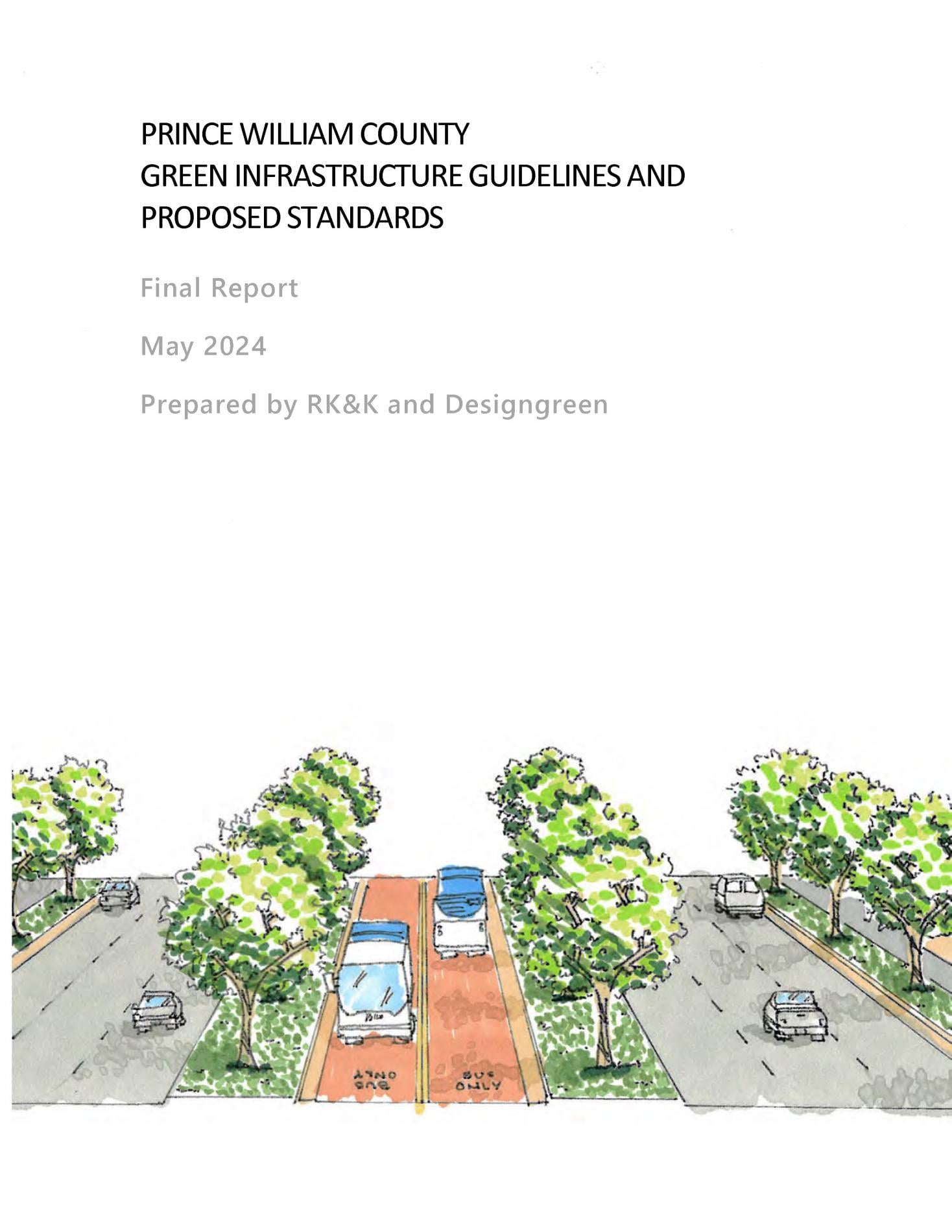
Prince William County is a suburban and partly urban community experiencing rapid development, which comes with greater needs for stormwater management and long-term considerations for sustainability and resiliency. Green infrastructure offers an opportunity to simultaneously address stormwater management and a range of co-benefits, from climate resilience to better public health outcomes and to green job creation. Implementation, however, may be limited by current design standard and funding requirements. The Prince William County Green Infrastructure Guidelines and Proposed Standards Study: Final Report (RK&K and Designgreen, May 2024) study provides green infrastructure implementation guidance to help the County promote strategic green infrastructure implementation in planned transportation-related capital improvement projects, as well as recommend potential policy changes for improved green infrastructure funding and implementation on future projects.
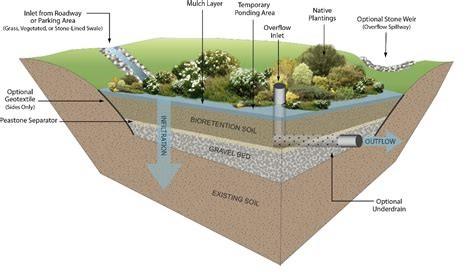
The recommendations may inform near-term updates to the Design and Construction Standards Manual (DCSM) and intersect with on-going work on the Community Energy and Sustainability Master Plan (CESMP). The recommendations consider anticipated changes to the Virginia Stormwater Management Handbook, Virginia Runoff Reduction Method Version 4.1, and new green infrastructure types such as tree planting. Green infrastructure for the purposes of the study referred to rain gardens, permeable pavement, and enhanced landscape/tree planting.

The Transportation Land-Use Connection Program (TLC) was established by the National Capital Region Transportation Planning Board (MWCOG TPB) in 2007 to provide short-term consultant services to local jurisdictions for small planning projects that promote mixed-use, walkable communities and support transportation alternatives. The program offers consultant assistance of $30,000 to $80,000 for planning projects or design projects, and up to $80,000 for design or preliminary engineering projects.
In 2023, the MWCOG TPB awarded a planning study to establish a process for ensuring the infrastructure constructed is in alignment with locally adopted goals for sustainability, resiliency, and climate change mitigation. The project will evaluate green infrastructure alternatives, including permeable surfaces, rain gardens, and landscaping.
Project Schedule
Expand all- Task 1: Project Management
Status: Completed
- 10/09/2023 Team Kickoff Meeting
- 11/06/2023 Monthly Team Progress Meeting
- 12/04/2023 Monthly Team Progress Meeting
- 1/08/2024 Monthly Team Progress Meeting
- 2/05/2024 Monthly Team Progress Meeting
- 3/04/2024 Monthly Team Progress Meeting
- 4/01/2024 Monthly Team Progress Meeting
- 5/06/2024 Monthly Team Progress Meeting
- 6/30/2024 Contract Expiration
- Task 2: Research/Literature Review
Status: Completed
- 11/15/2023 VDOT Interview
- 11/16/2023 Fairfax County Interview
- 11/21/2023 Virginia Beach Interview
- 12/01/2023 DDOT & DC Water Interview
- 1/07/2024 Research/ Literature Review Memo Submission
- Task 3: Analysis of Alternatives and Preliminary Recommendations
Status: Completed
- 1/07/2024 Draft Submission of Green Infrastructure Comparison Matrix
- 2/19/2024 Submission of Updated Matrix, Pilot Corridor Concept Design and Memo
- Task 4: Development of Design and Construction Guidelines/Standards
Status: Completed
- 3/18/2024 Submission of draft guidelines and an updated Pilot Corridor Design and Memo
- Task 5: Final Report
Status: Completed
- 4/15/2024 Submit updated Pilot Corridor Analysis and Draft Final Report
- 5/29/2024 Submit Final Report and PowerPoint
Questions or comments?
- Email: planning@pwcgov.org
- Complete the Planning Comment Form
Note that under the Virginia Freedom of Information Act, comments, including any personally identifiable information that is included in the comments, are subject to public inspection.
To receive automatic updates about general county government information, including Planning Office notifications, road closures, tax reminders, and other community information subscribe to PWC Alerts.